
The holisticselling Newsletter (#3)
Posted on LinkedIn on June 18, 2025
https://www.linkedin.com/pulse/holisticselling-newsletter-3-bernard-goor-rgf7c
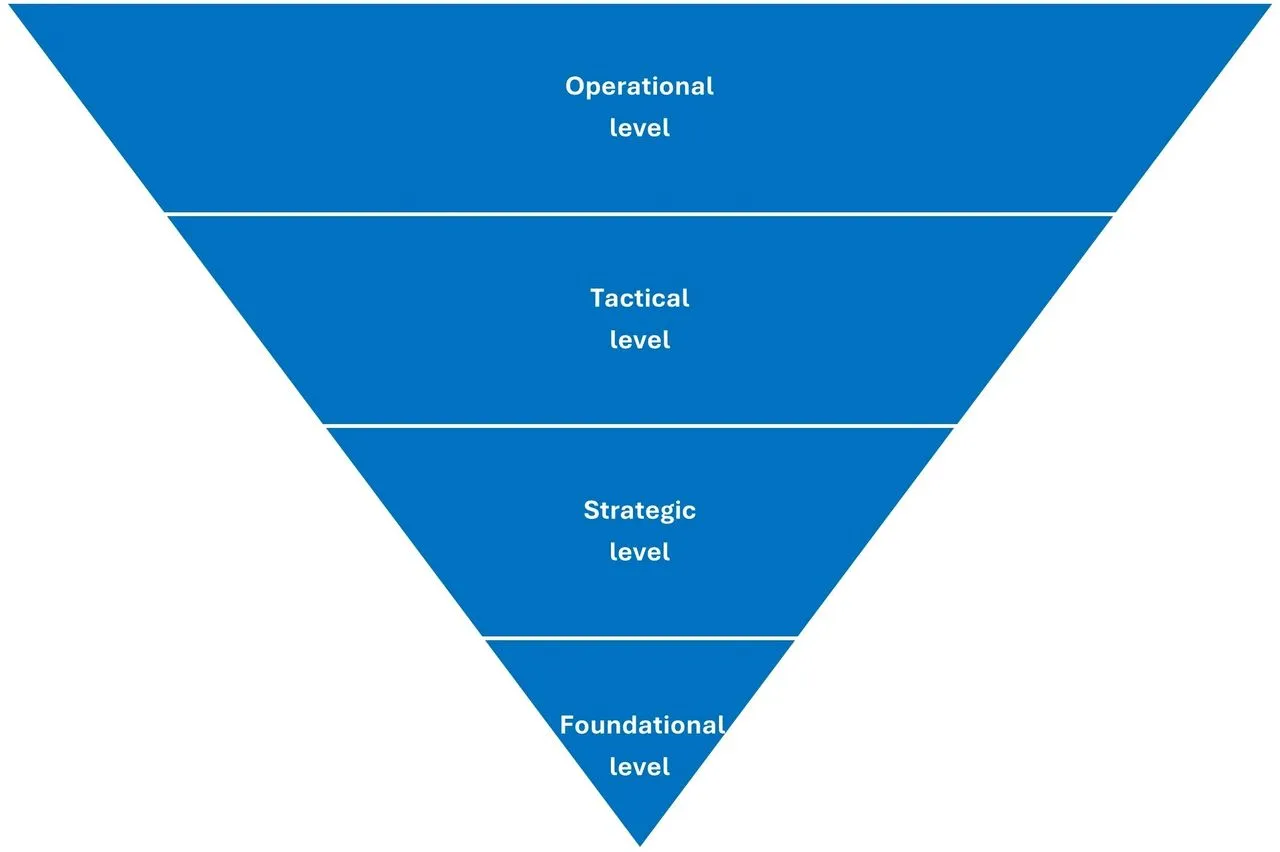
As mentioned in previous issues of the newsletter, the purpose of the holisticselling framework is to align all organizational processes towards supporting your frontline team members to deliver the right outcomes to your customers and prospects. In order to achieve success with a holisticselling mindset, we need to ensure that the company is synchronized across 4 different levels:
- Foundational level
- Strategic level
- Tactical level
- Operational level
We started discussing the strategic level last week. See the post here if you want to take another look at it.
As mentioned last week, the strategic level includes all the components that need to be aligned across all key functions in the enterprise. Today, we will cover the company’s branding, reputation and core value proposition.
As we discussed in a previous newsletter issue, your brand needs to be aligned with your purpose and values, which are included in the foundational level of the holisticselling framework. Like your purpose and values, your brand needs to be inspirational for your employees, customers and prospects. It has to focus on the benefits you deliver, not the capabilities that you offer (“customers don’t buy a drill, they buy a hole”). Inspiring brands have the ability to make customers and prospects feel like they are making a popular and exciting choice. There are plenty of examples in the B2C world (Nike, Apple, IKEA, etc.), and you can also find some in the B2B software world (Salesforce, ServiceNow, etc.).
Message #5: Build a brand that is inspirational for employees, customers and prospects by focusing on the positive outcomes you intend to deliver. Ensure that your brand is aligned with your purpose and your values.
Let’s now shift to reputation. Branding and reputation are closely related. Branding is what you tell the market about you. You generate that message. Reputation is what the market says about you. That message is generated by external parties – customers, prospects, partners and analysts.
Ideally, branding and reputation need to be aligned. The bigger the distance between your brand and your reputation, the less authentic the brand will be – and the more dysfunctional your B2B selling efforts will be. For example, if you build your brand around ‘customer success’ but your customers are not benefiting from investing in your company’s products, your brand will not resonate. A brand is like a promise that you need to deliver on. If you do not deliver on it, your reputation will suffer, and your B2B selling efforts will be negatively impacted. This is one area where cross-functional alignment is vital to your company’s success. Your brand is managed by Marketing while your reputation is determined by how well your products perform (which is the domain of your Product Management and Development teams) and by how you manage the moments of truth with customers and prospects (which is the responsibility of the Sales and Customer Success teams). It is the responsibility of the executive leadership team to ensure consistency and cohesiveness in aligning your brand and your reputation.
So, what should you build your brand around? What promise can you make based on the strengths and weaknesses of your organization? Clearly, no organization is perfect. Every company has areas of strengths and weaknesses compared to their competitors in the market they compete in. What is key is to know which promise you can make, and to deliver on that promise every single time. That is how your brand and your reputation will become perfectly aligned.
Message # 6: Ensure alignment between your brand and your reputation by choosing a brand message that aligns with your strengths. Then ensure cross-functional synchronization to put yourself in the position to deliver on your brand promise at every moment of truth with customers and prospects.
The question then is: How is my company best suited to deliver value to customers and prospects? That leads us to determining what your core value proposition is.
To help us answer that question, I will turn to the ‘Discipline of Market Leaders’ book published in 1995. That book holds the key to determining the specific dimension of value you may consider excelling at. The book poses that there are 3 ‘value disciplines’:
- Operational excellence means providing customers with products or services at competitive prices, delivered with minimal difficulty or inconvenience. Companies that are ‘operationally excellent’ deliver a combination of quality, price and ease of purchase that no one in the market can match.
- Product leadership means providing products that continually redefine the state of the art. A product leader consistently strives to provide its market with leading-edge products.
- Customer intimacy means building bonds with customers by investing in customer success and delivering tailored solutions that meet each specific customer needs.
The book also stipulates that companies cannot be great at all 3 at the same time. So, which value discipline will have the most impact on the success of your B2B selling efforts – in a consistent and sustainable manner? Which value discipline is best aligned with your company’s strengths? And, if you have a choice, which strengths and capabilities should you focus on? In my experience, the most differentiated and powerful value dimension is customer intimacy. By investing in frontline capabilities that build intimacy with your customers and help them be successful, you can build a sustainable competitive advantage. Of course, you cannot have glaring weaknesses in the other 2 areas. You also need to make sure you deliver quality products and services at a competitive price and reasonable convenience, and you need to make sure your products are competitive, but the key strategic differentiator is to drive customer advocacy by delivering successful business outcomes to customers – every time – and then converting these customers into advocates to fuel your company growth.
Message #7: Commit to one of the 3 leadership strategies based on your strengths and weaknesses. If possible based on your strengths and stage of maturity, focus on customer intimacy to deliver successful business outcomes to your customers and optimize customer advocacy.
Why is this critical to B2B selling? Because customers and prospects will build a perception of your company based on your brand and reputation. If that perception is positive, it will create an environment that will help your customer-facing teams succeed. If not, it will impact your ability to get customers and prospects to engage.
Questions for you:
- Is your company brand inspirational for employees, customers and prospects? Is it aligned with your purpose and values?
- Are your company’s brand and reputation aligned? Are all functions (Marketing, Sales, Customer Success, Product Management, Development) synchronized to deliver on your brand promise?
- Is your core value proposition aligned with your strengths and weaknesses? Are you clear on how you will differentiate yourself in your market (operational excellence, product leadership or customer intimacy)?
Next week, we will continue discussing the strategic level of the holisticselling framework. Feel free to share your thoughts on this content!
Tags: